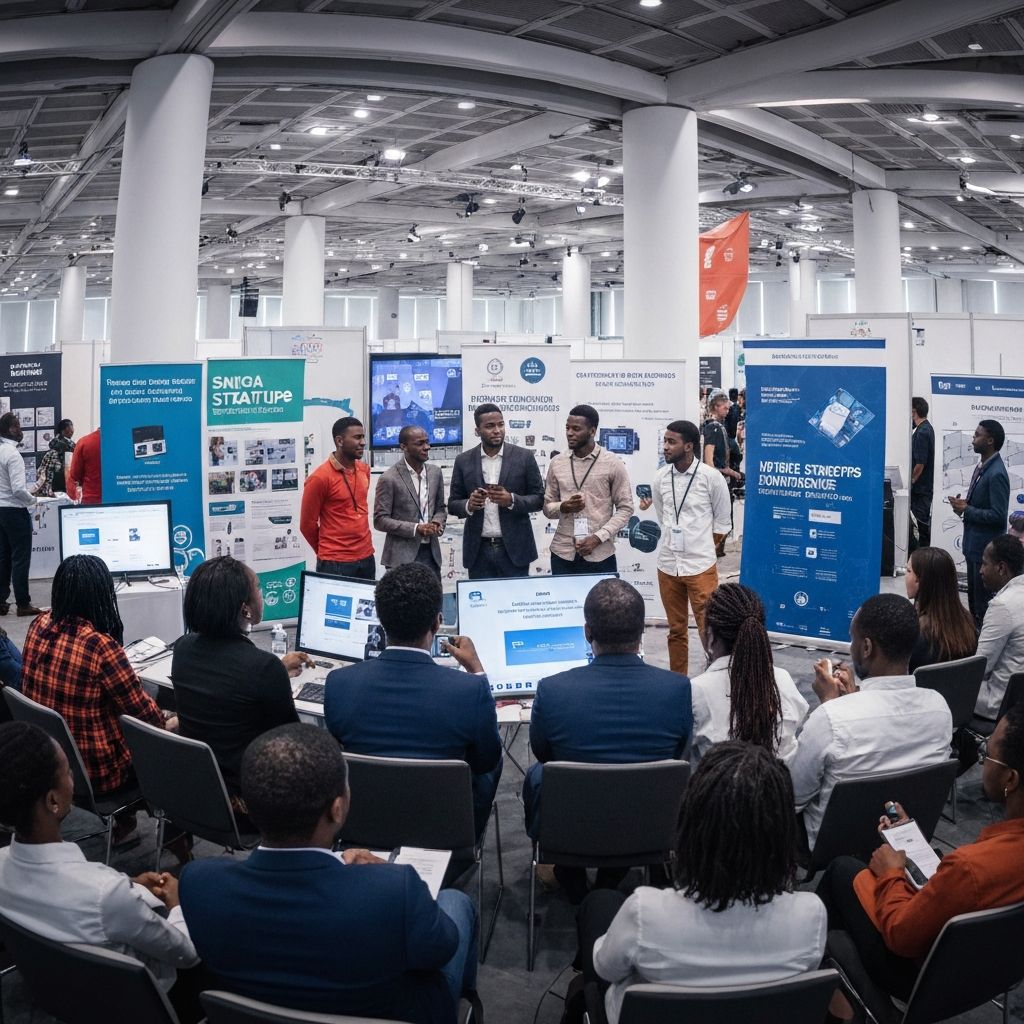
The Ultimate Guide to Raising Your Seed Round in South Africa
Everything you need to know about fundraising, from SAFEs to term sheets.
Understanding the South African Fundraising Landscape
Raising capital for a startup in South Africa requires a fundamentally different approach from fundraising in Silicon Valley or London. While the mechanics of venture capital are similar — pitch decks, due diligence, term sheets — the ecosystem has its own norms, expectations, and quirks that founders must understand to be successful.
The South African venture capital market has matured significantly over the past five years. Active funds like Knife Capital, HAVAÍC, E Squared, and Naspers Foundry have established track records, and international firms like Sequoia, a16z, and Y Combinator are increasingly looking at South African deals. But the path to a term sheet is rarely straightforward.
When to Raise (and When Not To)
One of the most common mistakes first-time founders make is raising too early. Investor capital comes with expectations — growth targets, governance requirements, and reporting obligations. If you haven't achieved sufficient product-market fit, taking on investor capital can be premature and potentially harmful.
The ideal time to raise a seed round is when you have clear evidence that your product solves a real problem for a defined customer segment, and you need capital to scale what's already working. This typically means having some combination of revenue, strong user growth, or a waitlist that demonstrates demand.
Consider bootstrapping or using grant funding (such as the Technology Innovation Agency grants or the Industrial Development Corporation's venture capital arm) to get to this stage before approaching institutional investors.
SAFEs vs. Priced Rounds
In Silicon Valley, SAFEs (Simple Agreements for Future Equity) have become the standard for seed-stage fundraising. In South Africa, both SAFEs and priced equity rounds are used, but the choice depends on several factors.
SAFEs offer speed and simplicity: there's no need to negotiate a valuation upfront, legal costs are lower, and the process can be completed in weeks rather than months. However, South African investors are sometimes less familiar with SAFEs, and the tax implications can be more complex under South African law.
Priced rounds, while slower and more expensive to execute, provide clarity on valuation and ownership from the outset. For larger seed rounds (above R5 million), a priced round is often the better option as it establishes clear governance structures and aligns everyone's expectations.
Whichever instrument you choose, work with a lawyer who has specific experience in venture capital transactions in South Africa. The nuances of South African company law, exchange controls, and tax regulations mean that templates downloaded from the internet are rarely sufficient.
Building Your Investor Pipeline
Fundraising is fundamentally a sales process, and like any sales process, it starts with building a pipeline. Begin by mapping the investor landscape: identify funds that invest at your stage, in your sector, and at your target ticket size.
South Africa's investor community is relatively small and tight-knit. A warm introduction will almost always outperform a cold email. Leverage your existing network — fellow founders, accelerator mentors, advisors, and even customers — to get introduced to the right people.
Aim to build relationships with investors well before you need their money. Attend investor-founder events, share updates on your progress, and ask for advice rather than investment. When you eventually do raise, these relationships will pay dividends.
Crafting Your Pitch Deck
Your pitch deck is your calling card. It needs to tell a compelling story in 12 to 15 slides. The essential elements include: the problem you're solving, your solution, market size, traction, business model, competitive landscape, team, and your ask.
For South African founders, two additional elements are particularly important. First, clearly articulate your go-to-market strategy for Africa — investors want to understand how you'll scale beyond South Africa. Second, address currency risk and how you plan to manage the volatility of the rand if you're generating revenue in local currency but raising in dollars.
Keep the deck clean and visual. Avoid walls of text. Use your traction data prominently — nothing speaks louder than a chart showing consistent month-over-month growth.
Negotiating Terms
When you receive a term sheet, don't just focus on the headline valuation. Key terms to scrutinise include liquidation preferences (1x non-participating is founder-friendly), anti-dilution provisions, board composition, drag-along and tag-along rights, and vesting schedules.
In South Africa, it's common for investors to request more protective provisions than you'd see in a typical US deal. This reflects the perceived higher risk of investing in emerging markets. Be prepared to negotiate, but also understand which terms are standard practice and which are genuinely onerous.
Finally, remember that your investors will be your partners for the next five to ten years. Valuation is important, but alignment on vision, values, and expectations is even more critical. Choose investors who will add value beyond capital — through networks, expertise, and genuine support when things get tough.