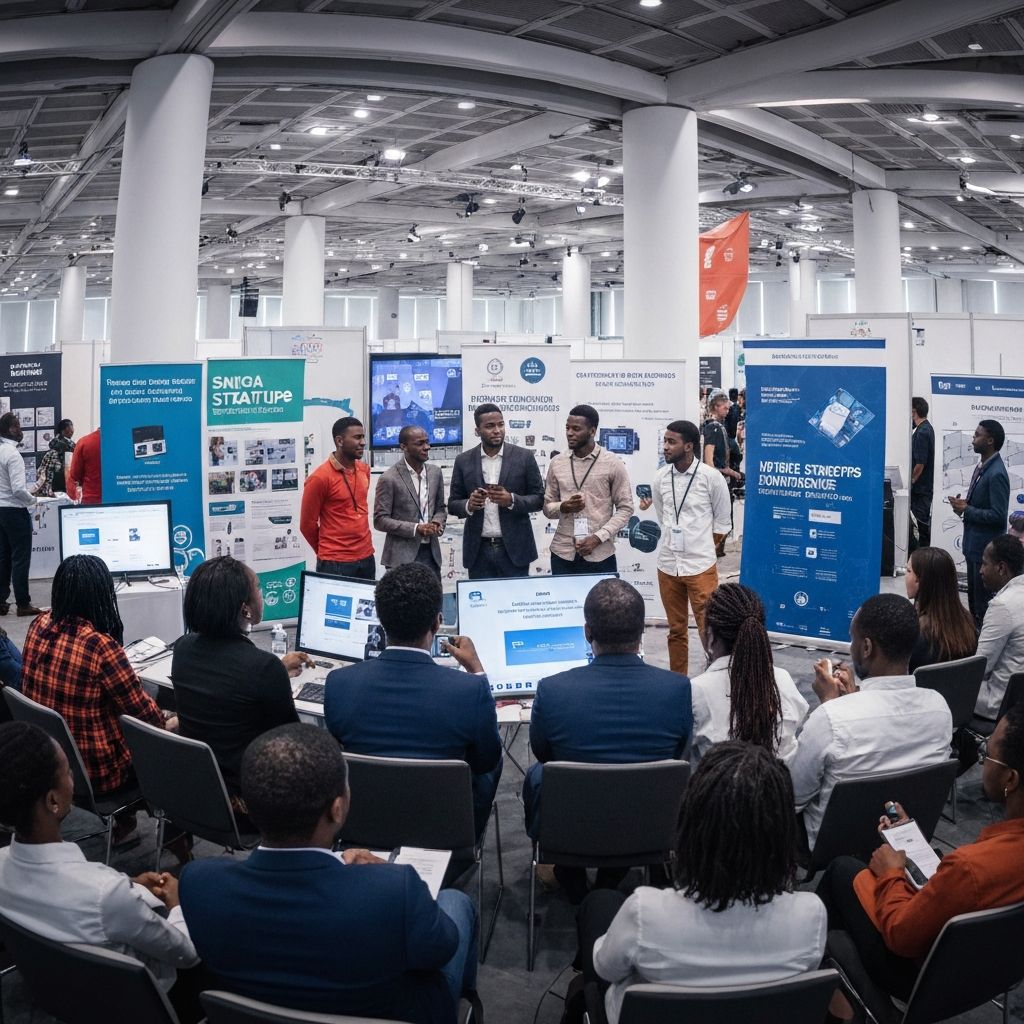
How South African Startups Are Leading Africa's Tech Revolution
From fintech to healthtech, South African founders are building world-class companies. Here's what's driving this growth and what it means for the continent.
A Continent on the Rise
Africa's technology landscape is undergoing a transformation that few could have predicted a decade ago. At the heart of this revolution, South Africa has emerged as a powerhouse of innovation, producing startups that are not just serving local markets but competing on the global stage. With a mature financial infrastructure, world-class universities, and an increasingly connected population, the country offers a unique foundation upon which founders are building the future.
In 2024 alone, South African startups raised over $1.2 billion in venture capital — a figure that places the country among the top three innovation hubs on the continent alongside Nigeria and Kenya. But what truly sets South Africa apart is the diversity of sectors in which its startups operate: from fintech and healthtech to agritech, edtech, and clean energy.
Fintech: The Engine of Growth
South Africa's fintech sector has been the primary driver of the country's startup ecosystem. Companies like Yoco, which has revolutionised card payments for small businesses, and Stitch, which provides seamless financial data connectivity, have demonstrated that African startups can build products that rival — and often surpass — their international counterparts.
The country's relatively advanced banking infrastructure, combined with a large unbanked and underbanked population, creates a unique opportunity. Founders are building solutions that bridge the gap between traditional financial services and the needs of millions who have historically been excluded from the formal economy. Mobile money, micro-lending platforms, and cross-border payment solutions are just the tip of the iceberg.
What makes South African fintech founders particularly successful is their ability to navigate complex regulatory environments. The South African Reserve Bank and the Financial Sector Conduct Authority have been increasingly supportive of innovation through sandboxes and licensing frameworks, allowing startups to test and scale their products with greater confidence.
Healthtech: Solving Real Problems
The COVID-19 pandemic accelerated the adoption of digital health solutions across Africa, and South African startups were quick to capitalise. Companies like Quro Medical pioneered hospital-at-home care, demonstrating that technology can dramatically reduce the burden on overstretched public health systems.
Telemedicine platforms, AI-powered diagnostics, and digital pharmacy services are gaining traction. What's particularly noteworthy is the approach South African healthtech founders take — they design for constraints. Limited internet connectivity, low-cost devices, and an overburdened healthcare system aren't obstacles; they're design parameters that lead to more resilient and widely accessible solutions.
The Talent Pipeline
One of South Africa's most significant competitive advantages is its talent pool. Universities like the University of Cape Town, Stellenbosch University, and the University of the Witwatersrand produce thousands of engineering and business graduates every year. Coding bootcamps like WeThinkCode and Umuzi are supplementing formal education by training a new generation of developers with industry-relevant skills.
But it's not just about technical talent. South Africa's multicultural, multilingual society produces founders who are inherently skilled at building products for diverse markets. This cultural fluency is invaluable when expanding across the continent and into international markets.
The diaspora also plays a crucial role. South African entrepreneurs who have gained experience in Silicon Valley, London, and other global tech hubs are returning home with networks, knowledge, and capital that accelerate ecosystem development.
Challenges That Remain
Despite the progress, significant challenges remain. Load shedding — South Africa's ongoing electricity crisis — has tested the resilience of startups that depend on reliable infrastructure. However, this challenge has also spawned innovation: solar energy startups, battery storage solutions, and energy management platforms have emerged to address the crisis.
Access to early-stage capital remains uneven. While later-stage funding is increasingly available, pre-seed and seed-stage founders — particularly those outside of Cape Town and Johannesburg — often struggle to raise their first rounds. Addressing this gap is essential for the ecosystem's long-term health.
Regulatory complexity, while improving, still presents hurdles. Startups operating across borders face a patchwork of regulations that can slow expansion. Greater harmonisation of policies across the continent would unlock significant growth potential.
What's Next
Looking ahead, several trends suggest that South Africa's tech revolution is just getting started. The rise of AI and machine learning presents enormous opportunities for startups that can apply these technologies to African problems: from agricultural yield prediction to fraud detection in financial services.
Climate tech is another frontier. With the continent disproportionately affected by climate change, there is both a moral imperative and a commercial opportunity for startups building sustainable solutions. South Africa's commitment to renewable energy and its existing industrial base make it an ideal launchpad for climate-focused innovation.
As platforms like Launch Ground continue to support founders from idea to scale, the ecosystem's capacity to produce world-changing companies will only grow. The future of global tech isn't just being built in Silicon Valley — it's being built in Cape Town, Johannesburg, Durban, and beyond.