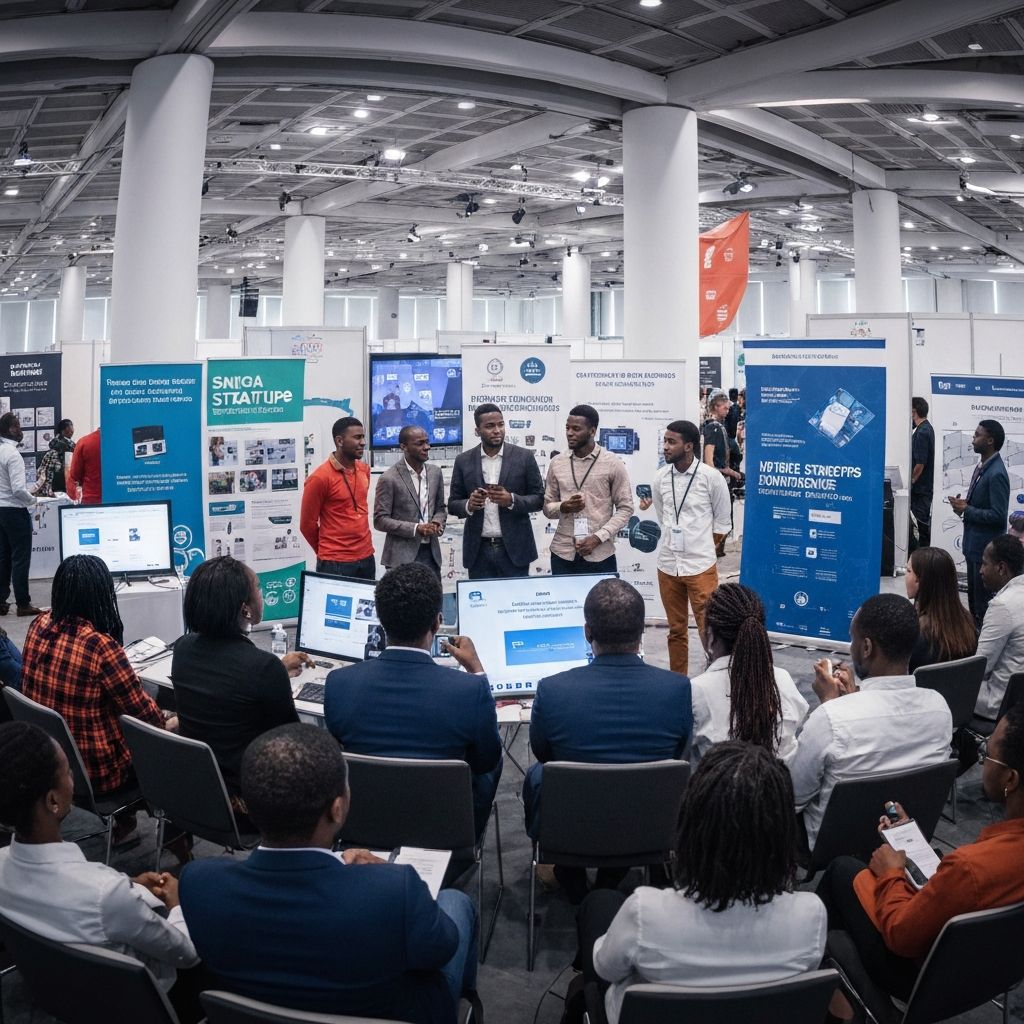
Building a Remote-First Startup in Africa
How to build and scale a distributed team across the continent.
The Remote Revolution Hits Africa
The global shift towards remote work has been transformative for African startups. What was once a constraint — the difficulty of hiring world-class talent in a single city — has become a strategic advantage. Today, a startup based in Cape Town can employ engineers in Lagos, designers in Nairobi, and customer support staff in Accra, building a truly pan-African team that brings diverse perspectives and market knowledge.
But building a remote-first startup in Africa comes with unique challenges that founders in Europe or North America rarely face. Internet reliability varies dramatically across the continent, time zones (while generally manageable across Africa) create coordination overhead, and cultural differences in communication styles can lead to misunderstandings if not proactively managed.
Infrastructure: Planning for the Worst
The most immediate challenge for remote African teams is infrastructure. While cities like Cape Town, Lagos, and Nairobi have reliable high-speed internet in many areas, connectivity can be inconsistent, especially during power outages or in less developed areas.
Successful remote-first African startups plan for infrastructure failure as a default. This means providing team members with backup internet solutions such as mobile hotspot stipends, investing in asynchronous communication tools that don't require real-time connectivity, and designing workflows that can tolerate temporary disconnections.
One practical approach is to provide every team member with a hardware budget for their home setup: a reliable laptop, a UPS (uninterruptible power supply) for load shedding, and a data bundle allowance. The cost is minimal compared to maintaining office space, and the productivity gains are substantial.
Communication: Asynchronous by Default
The most productive remote teams adopt an 'asynchronous by default' communication philosophy. This means that the primary mode of communication is written — in tools like Notion, Slack, or Linear — with synchronous meetings reserved for discussions that genuinely require real-time interaction.
This approach is particularly powerful in an African context because it accommodates differences in working hours, internet connectivity, and personal schedules. It also creates a natural documentation trail that benefits the entire team.
When meetings are necessary, keep them short and structured. Use agendas, assign action items, and always provide a written summary afterwards for team members who couldn't attend due to connectivity issues or timezone differences.
Culture: Building Connection Across Borders
Building a strong company culture in a remote-first environment requires intentional effort. Without the serendipitous interactions of a shared office, you need to create deliberate opportunities for connection.
Many successful remote-first African startups hold regular virtual social events — coffee chats, game sessions, or informal show-and-tell sessions where team members share something from their local culture. Some allocate a budget for in-person gatherings once or twice a year, bringing the entire team together for team-building and strategic planning.
It's also important to be sensitive to the cultural diversity within your team. Communication norms, attitudes towards hierarchy, and work-life balance expectations can vary significantly across different African countries. Creating space for open dialogue about these differences builds trust and mutual respect.
Legal and Compliance Considerations
Employing people across multiple African countries introduces legal and compliance complexity. Labour laws, tax obligations, and employment regulations vary significantly from country to country.
Many startups address this by using Employer of Record (EOR) services that handle local compliance while allowing you to hire talent anywhere. Companies like Remote, Deel, and the Africa-focused Workpay offer these services and are increasingly tailored to the African market.
If you're not ready for the complexity of multi-country employment, consider working with contractors initially. Just be aware that misclassifying employees as contractors can have legal consequences, so work with a legal advisor who understands the relevant jurisdictions.
The Competitive Advantage
Despite the challenges, building a remote-first startup in Africa offers a genuine competitive advantage. You gain access to a continental talent pool of over 700 million people under 30 — the youngest population of any continent. Labour costs are significantly lower than in Western markets, allowing you to build larger teams with less capital.
Most importantly, a distributed African team gives you eyes and ears across the continent's most dynamic markets. Understanding local nuances — regulatory environments, consumer behaviour, payment preferences — is invaluable when building products for Africa. There is no substitute for having team members who live and breathe these markets daily.